





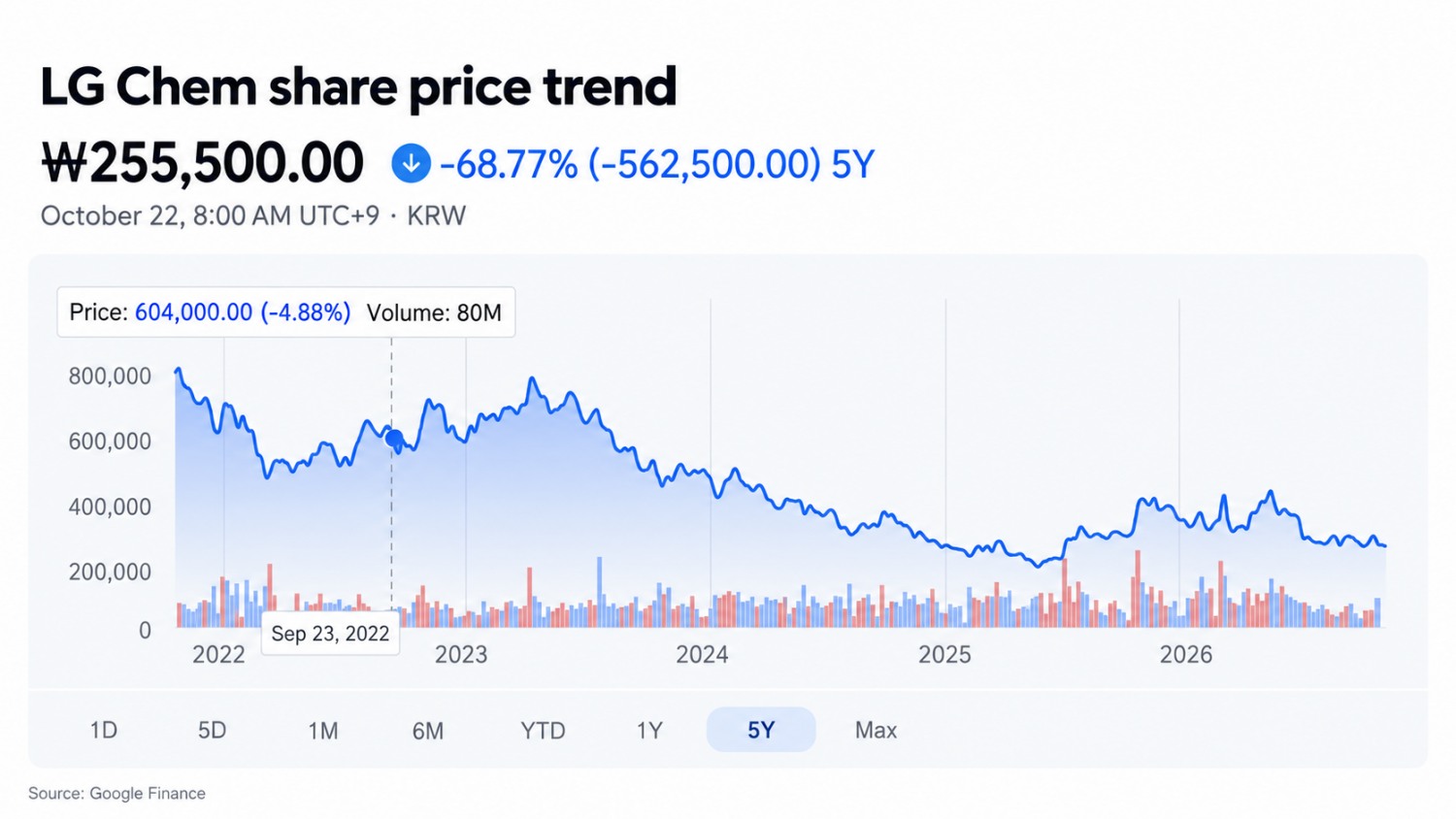
According to financial data provider FnGuide on the 22th, the consensus forecast for LG Chem’s third-quarter consolidated revenue is KRW 14.7113 trillion, with operating profit of KRW 275.6 billion. Samsung Securities, in a report on the 12th, forecast revenue of KRW 15.562 trillion and operating profit of KRW 613.6 billion. Improved earnings at battery subsidiary LG Energy Solution are cited as the main driver lifting consolidated profit.
LG Energy Solution reported preliminary third-quarter operating profit of KRW 756 billion, up sharply from KRW 113.3 billion in the previous quarter. Compensation-related income from automakers and expanded sales of energy storage systems (ESS) contributed to the gain. With the battery business underpinning consolidated results, the advanced materials division is also expected to see higher profit in the second half.
Brokerages expect advanced materials operating profit to rise from KRW 20 billion in the second quarter to KRW 50 billion in the third quarter and KRW 90 billion in the fourth quarter. The division’s operating profit was just KRW 7 billion in the third quarter of last year, swung to a loss in the fourth quarter, and posted an operating loss of KRW 43 billion in the first quarter of this year. After returning to a profit of KRW 20 billion in the second quarter, the recovery is expected to continue into the second half.

[Chart] LG Chem Petrochemicals Face Losses Despite NCC Restart; Advanced Materials Recovering / Source: Financial Supervisory Service (FSS) Electronic Disclosure System (DART)
이미지 확대보기
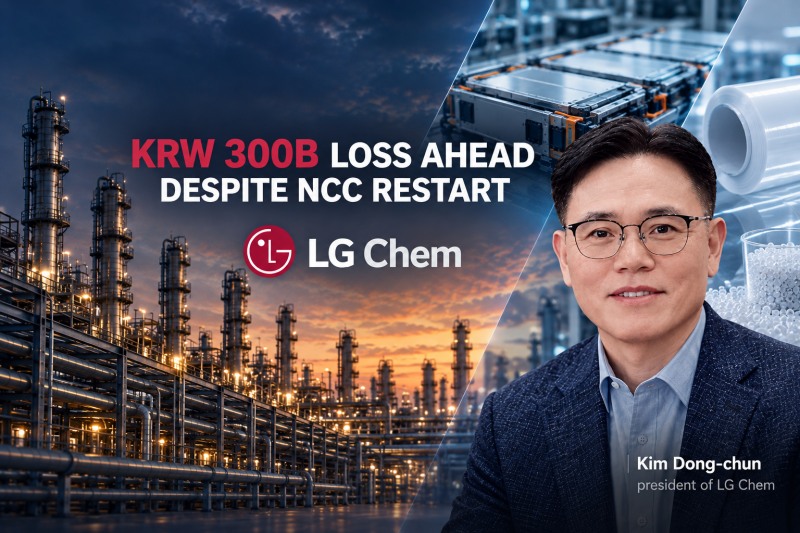
Petrochemicals, by contrast, is expected to post an operating loss of around KRW 300 billion in the second half. Last year, the division posted operating losses of KRW 57 billion in the first quarter and KRW 90 billion in the second quarter, then a profit of KRW 29 billion in the third quarter, before falling back to a loss of KRW 239 billion in the fourth quarter. This year, it posted an operating loss of KRW 165 billion in the first quarter before rebounding with an operating profit of KRW 427 billion in the second quarter. Although the division emerged from the losses of the first half of last year and regained a profitable footing, it is expected to fall back into the red in the second half.
A favorable inventory lag effect from rising feedstock prices contributed to the improvement in the first half. Because there is a time gap between purchasing feedstock and producing and selling products, a rise in feedstock prices can lift profitability, since the feedstock was secured at relatively lower prices. With feedstock prices rising in the wake of the war and product spreads widening, second-quarter earnings improved.
In the second half, however, the lag effect is expected to work in reverse as feedstock prices fall. If product prices drop while feedstock bought earlier at higher prices is still being fed into production, profitability can deteriorate. The company itself cited the negative lag effect from lower feedstock prices and rising logistics costs as a drag on second-half earnings. In other words, the factors that drove the first-half profit could become burdens in the second half and pull petrochemicals earnings down again.
As Ambitions Grow, LG Chem's Financial Health Quietly ErodesDebt vs. Equity: LG Energy Solution and Samsung SDI Take Diverging PathsNew '3% Rule' on Duplicate Listings Puts HD Hyundai Robotics, LS Essex in the CrosshairsA Shrimp Between Two Whales: Korea Petrochemical Caught Between S-Oil and ChinaLS, L&F Reunite Founding Families in Business After 18 Years
LG Chem is discussing a restructuring of its Yeosu NCC business with GS Caltex, but no specific structure has been finalized. Options reportedly under consideration include transferring LG Chem’s facilities to GS Caltex and operating them as a joint venture. The company says it is aiming to secure government approval within the year.
Gwak Horyung (horr@fntimes.com)