






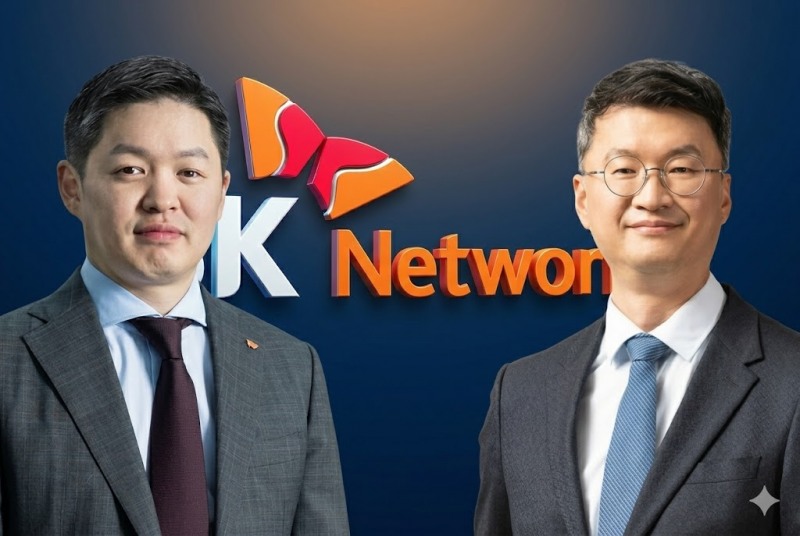
(From left) Choi Sung-hwan, President of Business Operations, SK Networks; Lee Ho-jeong, President and CEO, SK Networks. / Photo: SK Networks
이미지 확대보기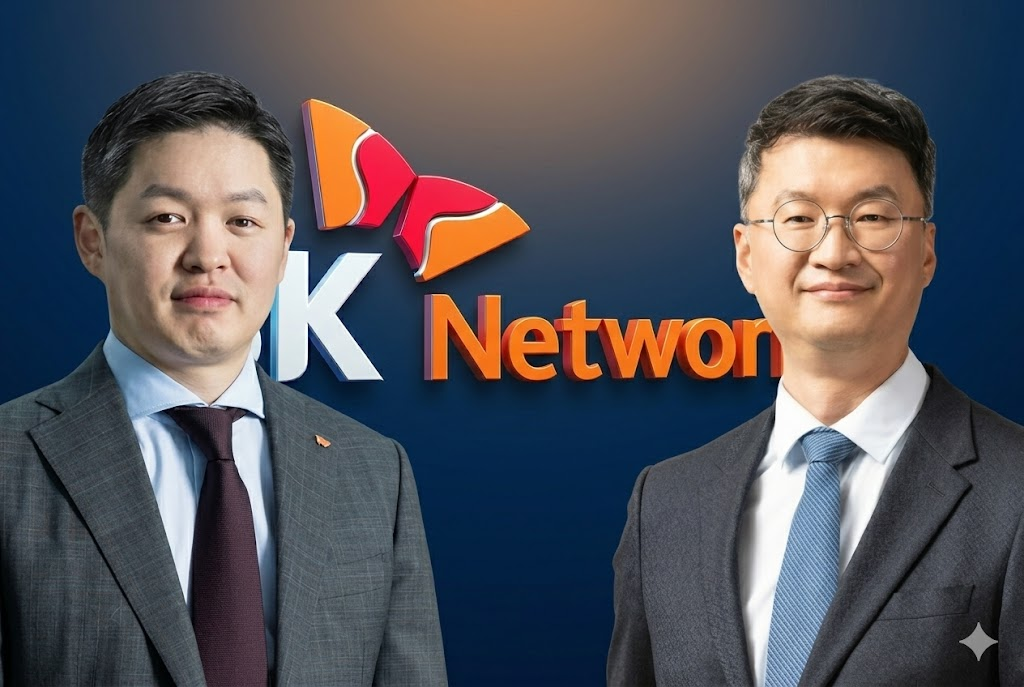
Having broken free from its legacy low-margin trading company structure, SK Networks is building out a high-profit portfolio spanning AI infrastructure, services, and devices, and is increasingly being redefined by the market as a company that delivers on AI solutions.
Core Business Pushes; AI Investment Pulls
According to SK Networks on Wednesday (May 20), the company's consolidated revenue for the first quarter of this year came to KRW 1.7434 trillion, up 6.5% year-on-year, while operating profit surged 102.4% to KRW 33.4 billion.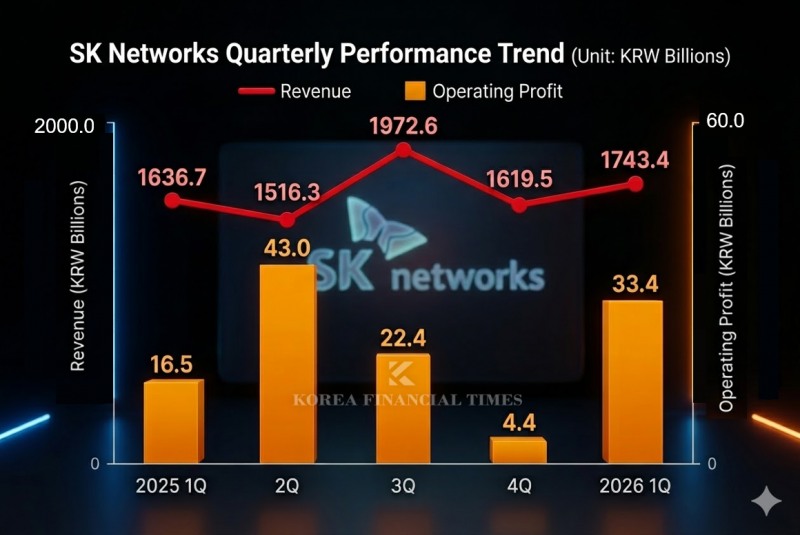
This infographic, originally published by Korea Financial Times, has been reconstructed using generative AI (Gemini). / Source: SK Networks
이미지 확대보기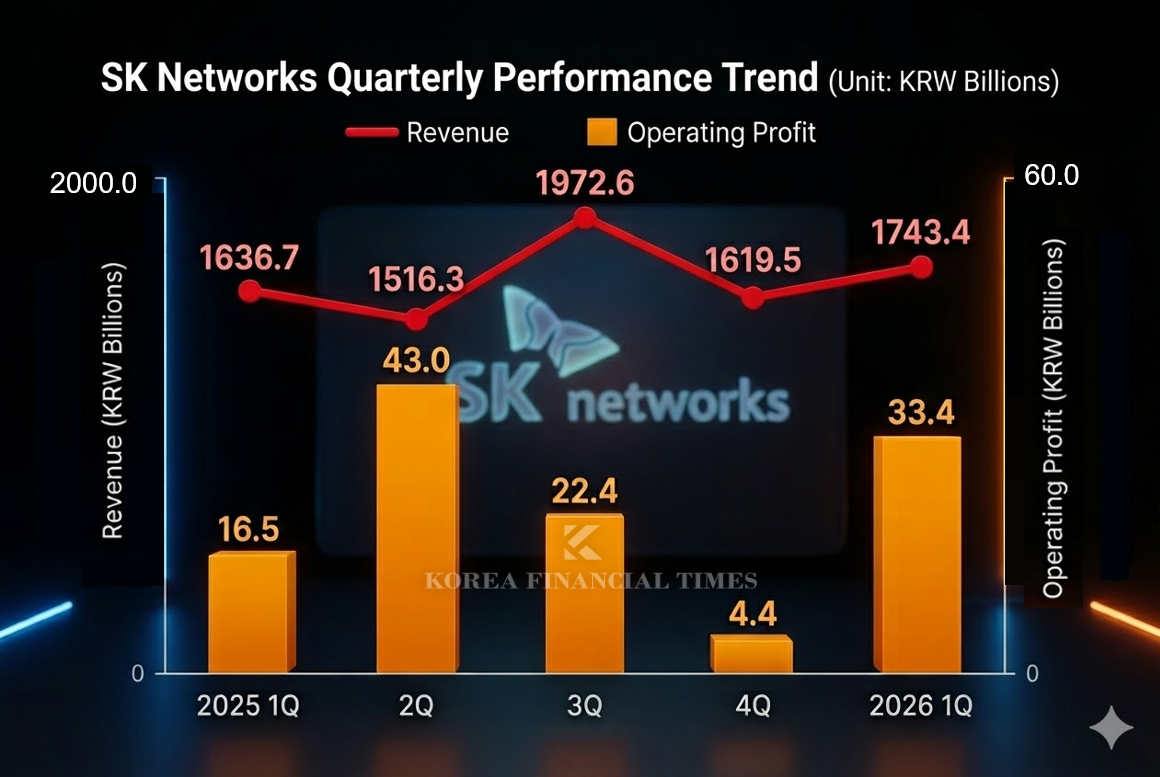
The primary driver behind the earnings rebound was the strengthening of core business competitiveness. The Information and Communications (ICT) division maximized profitability by strategically timing its marketing expenditures in line with new device launches. Walkerhill Hotels & Resorts also provided a solid foundation for overall results, as a recovery in domestic and international tourist demand drove higher room occupancy rates, with all segments of its food and beverage (F&B) and external operations returning to profitability.
Of particular note in this earnings report is the pre-tax income figure of KRW 59.8 billion — substantially higher than the KRW 33.4 billion in operating profit. Pre-tax income refers to the profit generated from core operations (operating profit) to which non-operating income — such as interest income and valuation gains on invested assets — is added, before taxes are deducted.
In SK Networks' case, pre-tax income exceeded operating profit by approximately KRW 26 billion, indicating that the company recorded significant valuation gains from the appreciation of assets — including global AI funds — in which it had invested proactively.
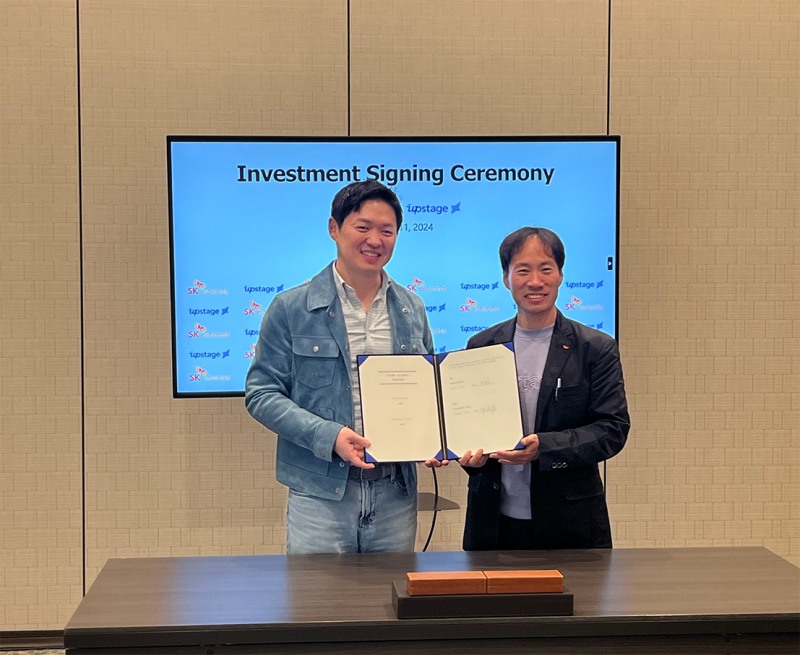
(From left) Choi Sung-hwan, President of Business Operations at SK Networks, poses for a photo with Kim Sung-hoon, CEO of Upstage, at Resorts World Las Vegas in the United States in 2024. / Photo: SK Networks
이미지 확대보기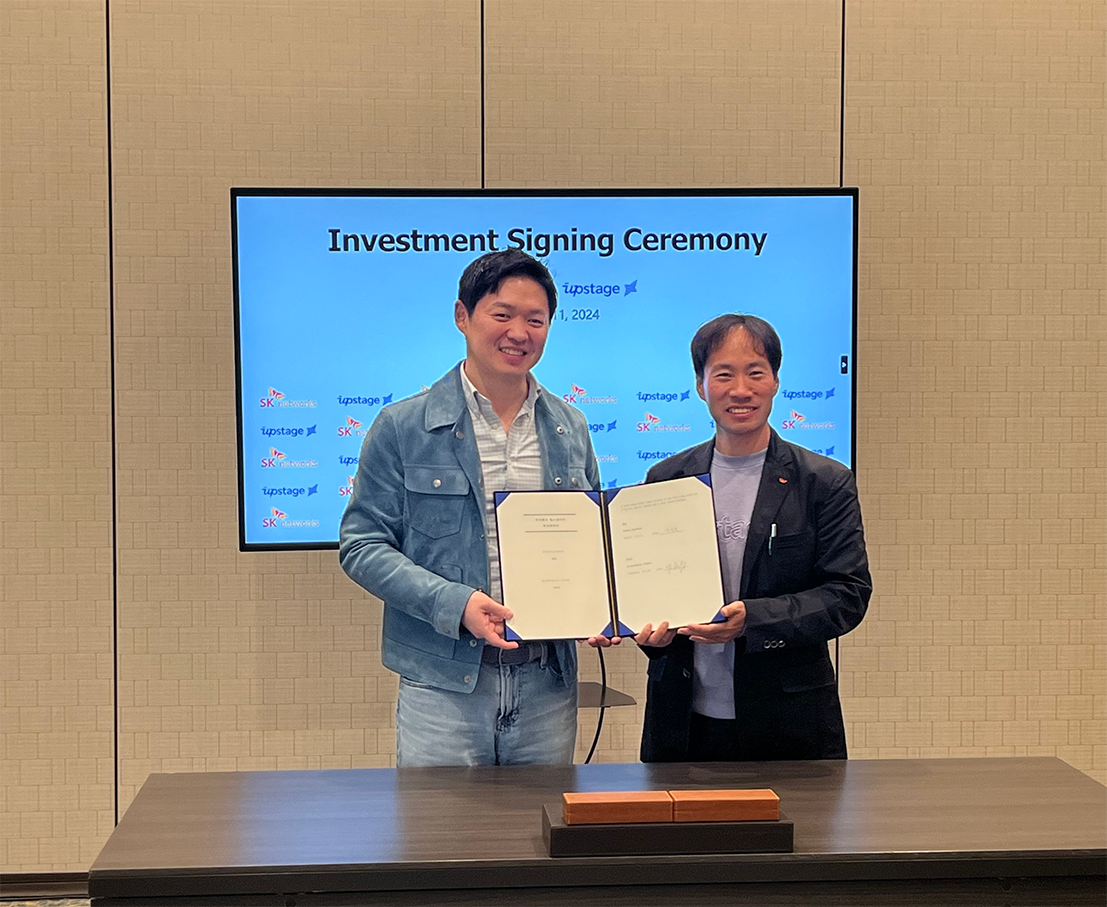
SK Networks has been building cooperative relationships with leading academics, technology experts, and promising startups around the world through its proprietary global technology network, HYCO System. The performance gains were driven by the appreciation of direct equity investments — including KRW 122 billion cumulatively invested in Upstage, a specialist AI company — as well as by valuation increases in Silicon Valley-based global AI startups such as PhoenixLab.
Thanks to this early-mover judgment, the company reversed a net loss of KRW 5.4 billion recorded in the first quarter of last year, swinging to a net profit of KRW 42.7 billion in just one year. If gains in core operational efficiency provided the physical bedrock, the returns from years of AI investment furnished the qualitative depth of the results.
'Sell-Reinvest' Virtuous Cycle: Structuring AI Revenue
SK Networks' business transformation goes beyond simply selling assets. The goal is to complete a virtuous cycle in which proceeds are redeployed into high-growth AI business segments.Leading this effort is NAMUHX, a wellness robotics brand launched by subsidiary SK Intellix. The wellness robot "A1" — which fuses the company's home appliance rental heritage with AI technology — has established an early foothold in the on-device AI environment, equipped with vision AI-based autonomous navigation and contactless biometric signal measurement capabilities.
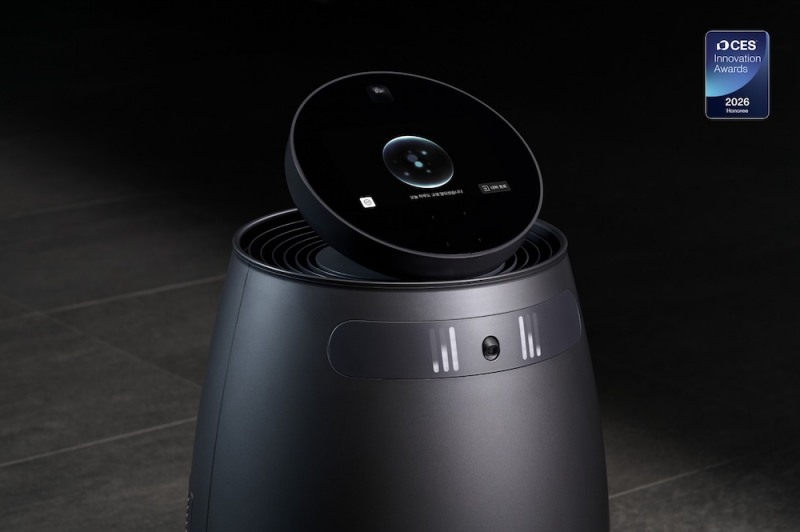
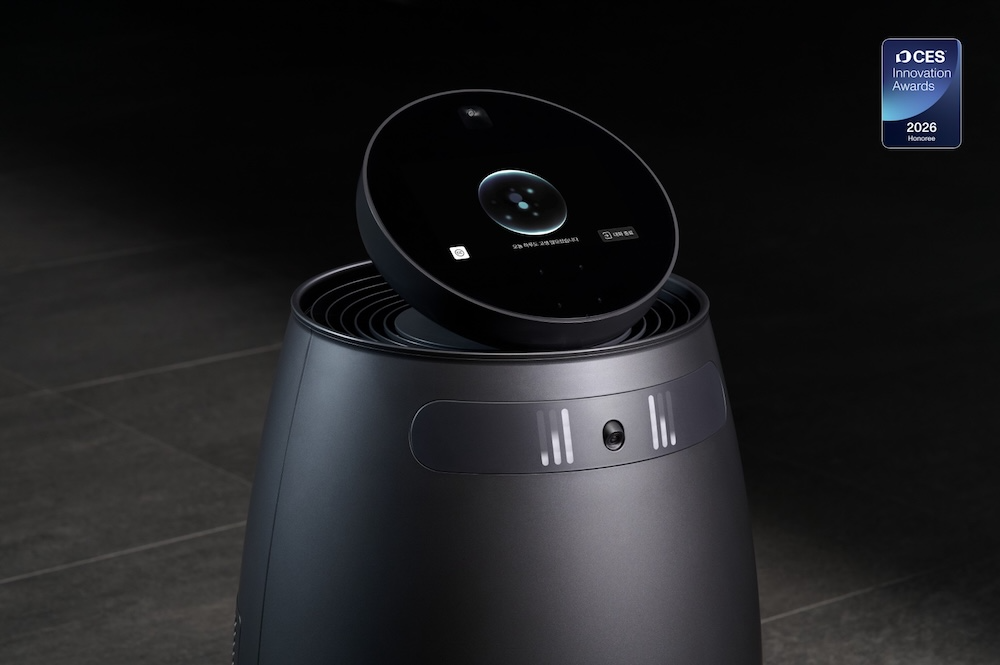
On-device AI refers to technology that processes data directly on the device itself without routing it through an external cloud server, maximizing both security and response speed.
This pivot toward high-growth devices was made possible by bold asset rationalization. In 2024, SK Networks decided to sell its entire 100% stake in SK Rent-a-Car for approximately KRW 820 billion. More recently, the company moved to sell 90% of the shares in Mintit — a used-phone trading platform — for approximately KRW 45 billion, keeping its non-core asset disposal plan on schedule.
Additionally, the sale of SK Intellix's traditional kitchen appliance business rights and the equity restructuring of SK ElecLink, its electric vehicle charging subsidiary, further bolstered the company's liquidity position.
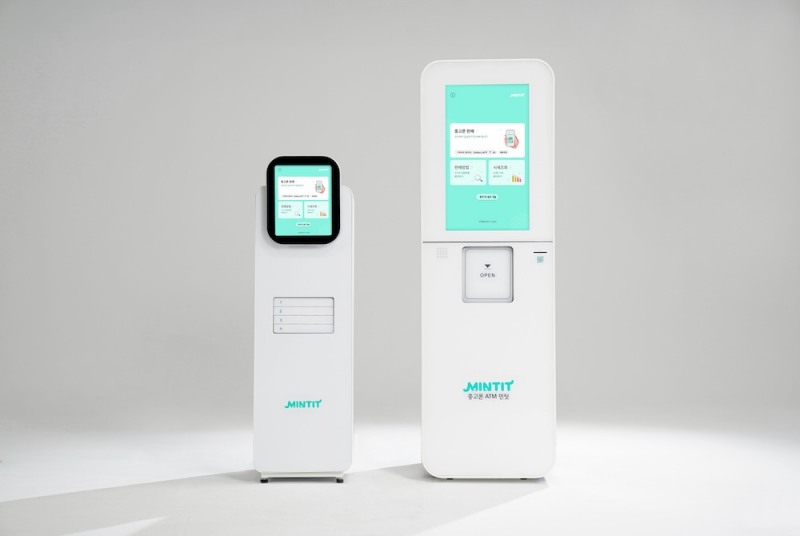
Mintit ATMs installed at major hypermarkets and other everyday locations across the country. / Photo: SK Networks
이미지 확대보기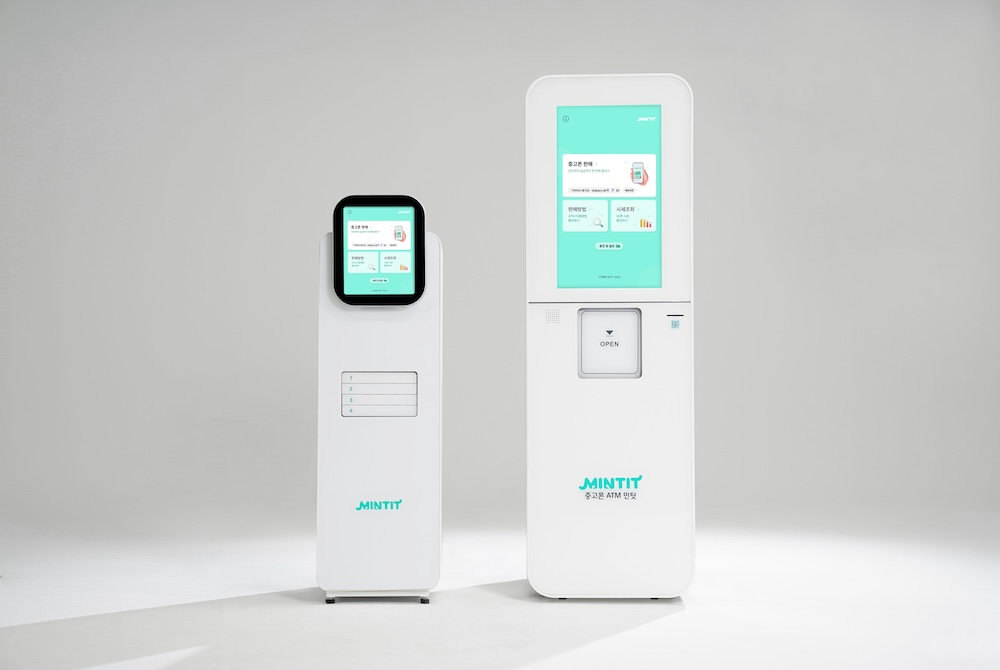
The capital accumulated through these transactions is being redeployed not simply to improve the balance sheet, but as aggressive investment firepower to embed AI technology into its subsidiaries.
Data solutions firm Encoa is expanding its business-to-business (B2B) market share with dedicated solutions that help corporate clients execute their AI transformation (AX), while Incross — which was brought in as a subsidiary this year — is enhancing the value of the ICT value chain by developing AI-powered marketing solutions that leverage its accumulated data assets.
Ultimately, the virtuous cycle of asset sales, liquidity accumulation, and technology reinvestment — enabling subsidiaries to internalize AI capabilities — is expected to serve as the core engine propelling SK Networks beyond one-time valuation gains and toward a sustainable, recurring AI revenue structure.
Armed with '12% Treasury Stake' as Valuation Enhancement Weapon
As the business structure evolves, a shift in capital policy is also becoming apparent. On April 29, SK Networks decided to distribute treasury shares as performance bonuses to its executives and outside directors.Noteworthy is the sharp recent decline in the company's treasury share holdings. As of end of last year, treasury shares amounted to 12.36% of total shares issued; however, as of April 30, this figure had fallen significantly to 3.3% (6,620,394 shares).
This demonstrates that SK Networks has actively deployed its substantial treasury share position in the market, in line with the government's push to strengthen shareholder returns through initiatives such as the Corporate Value-up Program. The company has already demonstrated proactive measures to maximize shareholder value — including large-scale treasury share cancellations.
The securities community has recently raised its target price for SK Networks shares to around KRW 11,000, citing the company's earnings turnaround, a clear resource base for shareholder returns, and expectations for the robotics business. This represents an approximately 181% premium over the stock's all-time closing low of KRW 3,915 recorded at the end of May last year.
Analysts have also noted that Upstage, Kurly, and other companies in which SK Networks holds stakes are preparing for initial public offerings (IPOs), with successful IPOs expected to generate substantial investment returns for the company.
Lee Sang-heon, an analyst at iM Securities, commented: "As overseas expansion based on wellness robots becomes more concrete, the foundation for growing the robotics business will take shape," adding that "in tandem with the SK Group's AI transformation strategy, the robotics business will emerge as a core growth pillar, with its growth trajectory expected to accelerate."
Jeong Chaeyun (chaeyun@fntimes.com)










![12개월 최고 연 6.00%…BNK저축은행 'BNK동행적금'[이주의 저축은행 적금금리-10월 2주]](https://cfnimage.commutil.kr/phpwas/restmb_setimgmake.php?pp=006&w=69&h=45&m=5&simg=202610110103170668607c96e797801121481643.jpg&nmt=18)


![12개월 최고 연 4.10%…OK저축은행 'OK e-안심앱플러스정기예금6'[이주의 저축은행 예금금리-10월 2주]](https://cfnimage.commutil.kr/phpwas/restmb_setimgmake.php?pp=006&w=69&h=45&m=5&simg=202610110051040059207c96e797801121481643.jpg&nmt=18)
![24개월 최고 연 4.10%…OK저축은행 'OK e-안심앱플러스정기예금6'[이주의 저축은행 예금금리-10월 2주]](https://cfnimage.commutil.kr/phpwas/restmb_setimgmake.php?pp=006&w=69&h=45&m=5&simg=202610110057520407907c96e797801121481643.jpg&nmt=18)


![[그래픽 뉴스] ‘순대’가 경제용어라고? 순(純)대외자산, 한국의 진짜 해외자산은 얼마일까?](https://cfnimage.commutil.kr/phpwas/restmb_setimgmake.php?pp=006&w=298&h=298&m=1&simg=202609021356075202de68fcbb3512411124362_0.jpg&nmt=18)
![[그래픽 뉴스] ISA 대개편! 나에게 유리한 계좌는?](https://cfnimage.commutil.kr/phpwas/restmb_setimgmake.php?pp=006&w=298&h=298&m=1&simg=202608041713155615de68fcbb3512411124362_0.jpg&nmt=18)
![[그래픽 뉴스] 미국 증시 새로운 키워드 'MANGOS'](https://cfnimage.commutil.kr/phpwas/restmb_setimgmake.php?pp=006&w=298&h=298&m=1&simg=202607291740382069de68fcbb3512411124362_0.jpg&nmt=18)

![[그래픽 뉴스] 은퇴후 30년 부모님 세대의 생존전략](https://cfnimage.commutil.kr/phpwas/restmb_setimgmake.php?pp=006&w=298&h=298&m=1&simg=202606301704439153de68fcbb3512411124362_0.jpg&nmt=18)
![[신간]은퇴연옥…김경록의 은퇴 후 삶의 나침반](https://cfnimage.commutil.kr/phpwas/restmb_setimgmake.php?pp=006&w=81&h=123&m=5&simg=20260414140833047280f8caa4a5ce12411124362.jpg&nmt=18)
![[신간] 물처럼 흐르고 원칙으로 서다…김용환의 통찰을 담다](https://cfnimage.commutil.kr/phpwas/restmb_setimgmake.php?pp=006&w=81&h=123&m=5&simg=20260409114249027860f8caa4a5ce12411124362.jpg&nmt=18)
![[안현정 서평] 플랫폼의 영지에서 ‘미학적 주권’을 선포하라...'K가 죽어야 K가 산다' 장준환 著](https://cfnimage.commutil.kr/phpwas/restmb_setimgmake.php?pp=006&w=81&h=123&m=5&simg=20260527121426063220c1c16452b012411124362.jpg&nmt=18)
![[서평] 추세 매매의 대가들...추세추종 투자전략의 대가 14인 인터뷰](https://cfnimage.commutil.kr/phpwas/restmb_setimgmake.php?pp=006&w=81&h=123&m=5&simg=2023102410444004986c1c16452b0175114235199.jpg&nmt=18)


![[머니무브 2026] “지금 사도 될까?” 답이 안 보인다면…하반기 투자, 4명의 전문가에게 물어보세요](https://cfnimage.commutil.kr/phpwas/restmb_setimgmake.php?pp=006&w=89&h=45&m=1&simg=202609151044050355302a735e27af12411124362.jpg&nmt=18)
![[AD] ‘PBV 라인업 확장’ 기아, 9월 독일서 ‘PV7’ 첫 공개](https://cfnimage.commutil.kr/phpwas/restmb_setimgmake.php?pp=006&w=89&h=45&m=1&simg=2026083111010602815074925877361231180222.jpg&nmt=18)
![[AD] 제네시스, 럭셔리 경험 더한 ‘2027 GV70’‧‘GV70 그래파이트’ 출시](https://cfnimage.commutil.kr/phpwas/restmb_setimgmake.php?pp=006&w=89&h=45&m=1&simg=20260702143546085600749258773622211122717.jpg&nmt=18)