







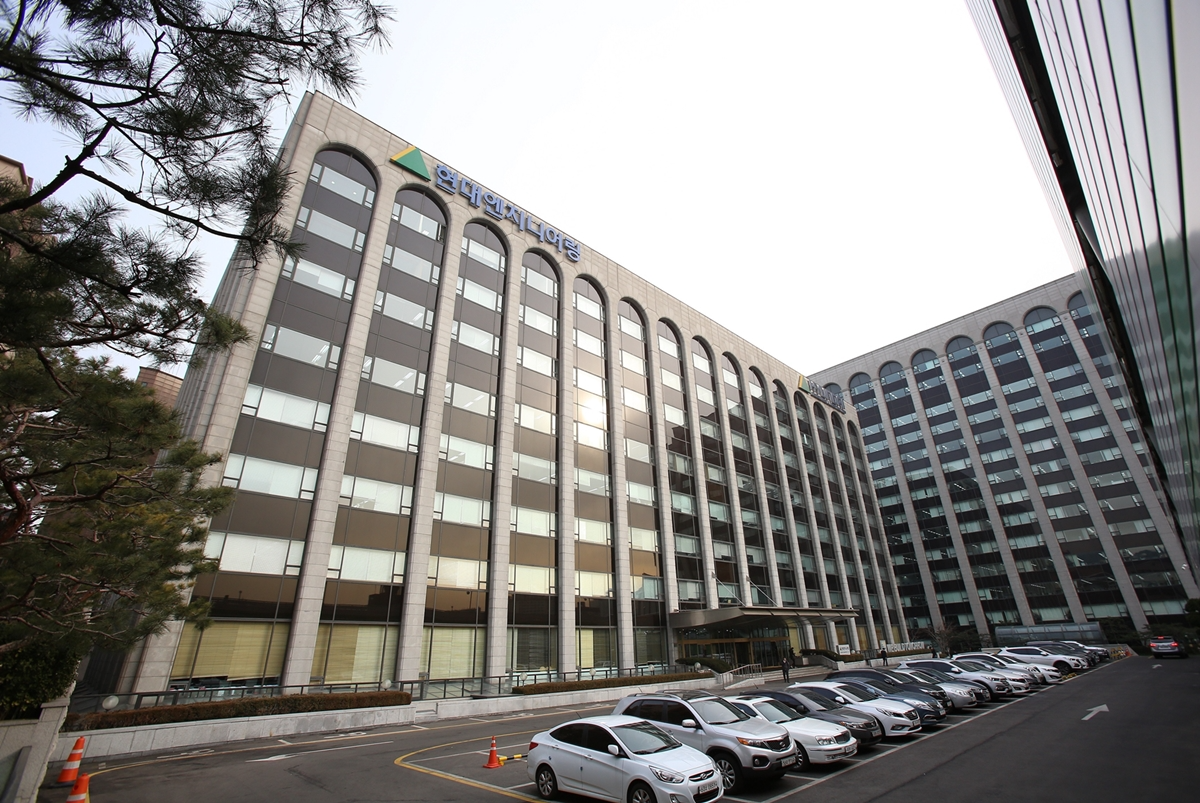
Repeated Safety Accidents and Poor Management Systems
On the 25th, a bridge collapse occurred at a construction site of Section 9 of the Seoul-Sejong Expressway in Seobuk-gu, Cheonan, Chungcheongnam-do, resulting in a tragic accident that killed four people and injured six others.Hyundai Engineering, the contractor responsible for the project, immediately issued an official apology, stating, "We deeply mourn the loss of precious lives and extend our condolences to the bereaved families, while wishing a speedy recovery for the injured." The company also pledged full cooperation with authorities to determine the exact cause of the accident. However, a series of safety incidents have raised serious doubts about Hyundai Engineering’s safety management system.
This incident comes just months after a fatal accident on November 7, 2024, at Hyundai Motor’s electric vehicle factory construction site in Ulsan, where a worker in his 50s fell to his death while working on roof panel installation. The recurrence of such fatal accidents has heightened concerns about the company’s safety management practices.
Experts cite excessive load and structural fastening failures as potential causes of the latest bridge collapse, pointing to poor construction processes and inadequate safety inspections. These issues indicate fundamental flaws in Hyundai Engineering’s overall safety management system rather than simple negligence.
Serious Deficiencies in Quality Control Systems
In addition to safety accidents, Hyundai Engineering is plagued by quality issues. Just a year ago, in May 2024, the company publicly apologized after 50,000 construction defects were discovered in the "Hillstate Oryong" apartment complex in Namak New Town, Muan County, Jeollanam-do. This scandal highlighted severe shortcomings in Hyundai Engineering’s quality management system, severely damaging consumer trust.According to the Ministry of Land, Infrastructure, and Transport, Hyundai Engineering ranked first in the number of defect-related complaints among construction companies between March and August 2024. Over the past five years (September 2019–August 2024), Hyundai Engineering recorded 288 defect cases, placing it in the disgraceful position of 8th among the top 20 companies with the most defects, while Hyundai E&C also ranked 14th with 208 cases, further tarnishing its reputation.
These quality issues, combined with safety concerns, have significantly eroded trust in the company. The ongoing crises suggest that Hyundai Engineering’s challenges stem from structural deficiencies in its management system rather than temporary setbacks.
Worsening Financial Performance and Credit Rating Downgrade... A "Burden" Within the Group

Graphic=Korea Financial Times
Hyundai Engineering’s crisis is not limited to safety issues. The company reported an estimated consolidated revenue of KRW 14.7653 trillion in 2024, but also recorded an operating loss of KRW 1.2361 trillion, marking a transition into deficit. Net losses are projected to reach KRW 990.6 billion. The primary causes of these losses are increasing costs associated with overseas plant projects such as the RDMP Balikpapan project in Indonesia and the Jafurah project in Saudi Arabia, including additional quality-related expenses and extended construction periods. As a result of these substantial losses, the debt ratio is expected to rise from 114.8% in September 2024 to 243.8% by the end of December 2024, worsening the company’s financial difficulties.
This financial downturn has also negatively impacted its parent company, Hyundai E&C. Despite achieving consolidated revenue of KRW 32.6944 trillion in 2024, a 10.3% increase compared to the end of 2023, Hyundai E&C posted an operating loss of KRW 1.2209 trillion, marking its first deficit in 23 years. The declining status of Hyundai E&C and Hyundai Engineering, once core affiliates of Hyundai Motor Group, has now led to concerns that they are becoming burdens within the conglomerate.

Graphic=Korea Financial Times
The financial market has also reacted negatively to Hyundai Engineering’s mounting losses, safety incidents, and quality issues. On the 22nd, Korea Investors Service (KIS) downgraded Hyundai Engineering’s credit rating outlook from "Stable" to "Negative."
Similarly, NICE Investors Service (NICE) placed Hyundai Engineering under a "downgrade review" watch, raising concerns about the company’s financial health. A potential credit rating downgrade could further hinder Hyundai Engineering’s ability to secure funding, exacerbating its financial crisis.
Fundamental Overhaul Needed to Regain Trust
The challenges facing Hyundai Engineering and Hyundai E&C appear to stem from structural issues rather than temporary setbacks. The repeated safety accidents, quality problems, and massive deficits in overseas projects indicate that these problems cannot be resolved without fundamental management reforms.Some industry observers argue that Hyundai Engineering and Hyundai E&C need more than just apologies and short-term fixes. They emphasize the necessity of a complete overhaul of the safety management system, accountability for those responsible, and financial restructuring.
To restore their reputation as "construction powerhouses" and regain customer trust, Hyundai Engineering and Hyundai E&C must prioritize safety and quality while implementing fundamental business reforms. Only through sustainable change and responsible management can they reclaim their status as industry leaders.
Doo KyoungWoo (kwd1227@fntimes.com)