





Twin ODM Leaders Kolmar Korea and Cosmax Hold Firm
According to industry sources on August 13, demand for cosmetics contract manufacturing has surged as K-beauty expands its footprint in the global cosmetics market and indie brands push into overseas markets, driving major manufacturers' earnings to new highs. Cosmax and Kolmar Korea, which have long dominated the cosmetics contract manufacturing industry, both achieved record results.Kolmar Korea's consolidated revenue for the second quarter of this year came to KRW 861.3 billion, up 17.9% year-on-year. Operating profit for the same period rose 50.2% to KRW 110.3 billion. For the first half of the year, revenue totaled KRW 1,589.3 billion (up 14.8%) and operating profit reached KRW 189.2 billion (up 41.8%). The strong performance was driven by the expanding overseas presence of global indie brands and rising demand for sun care products during the summer season.
A Kolmar Korea representative said orders for skincare and sun care products increased on the back of indie brands' expanding global reach and peak-season demand for sun care, adding that a steady stream of new product launches by global client companies also contributed to the record quarterly results.
Cosmax likewise set a new quarterly record in the second quarter of this year. Consolidated revenue rose 27% year-on-year to KRW 794.9 billion, while operating profit grew 21% to KRW 73.7 billion. For the first half, revenue reached KRW 1,476.9 billion and operating profit KRW 126.8 billion, up 22% and 13%, respectively, from the same period last year.
The most notable development in this quarter's results was the growth of Cosmax's U.S. subsidiary. The unit posted revenue of KRW 53.8 billion in the second quarter, up 79% year-on-year, and turned a quarterly profit for the first time since its founding. Cosmax's domestic operation saw revenue rise 23% to KRW 518.4 billion, surpassing the KRW 500 billion mark in a single quarter for the first time, with operating profit up 13% to KRW 56.4 billion. Major overseas units in China (KRW 197.4 billion), Indonesia (KRW 28.9 billion), and Thailand (KRW 24.9 billion) also continued to grow.
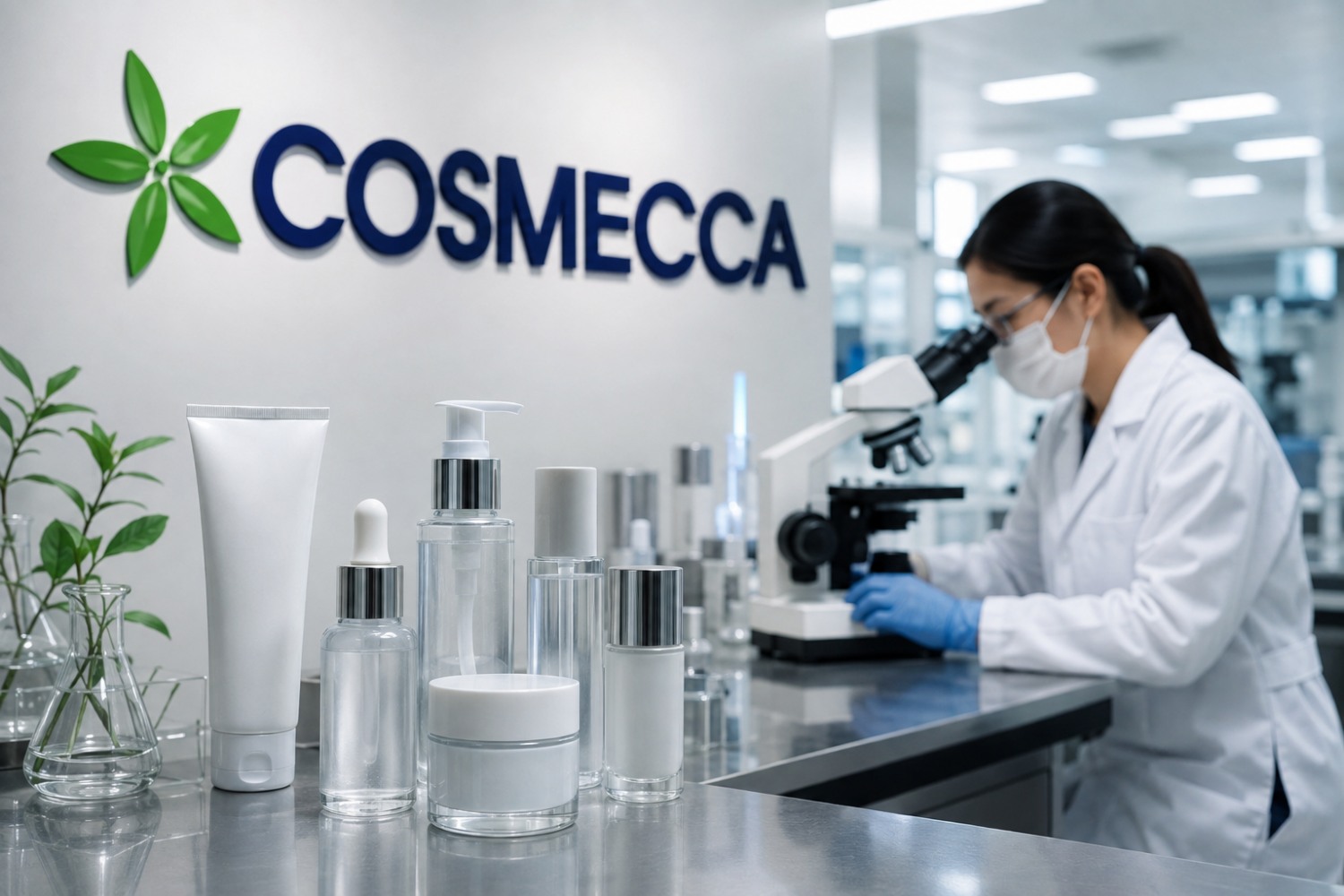
Cosmecca Korea Proves Its Profitability Through OGM Strategy
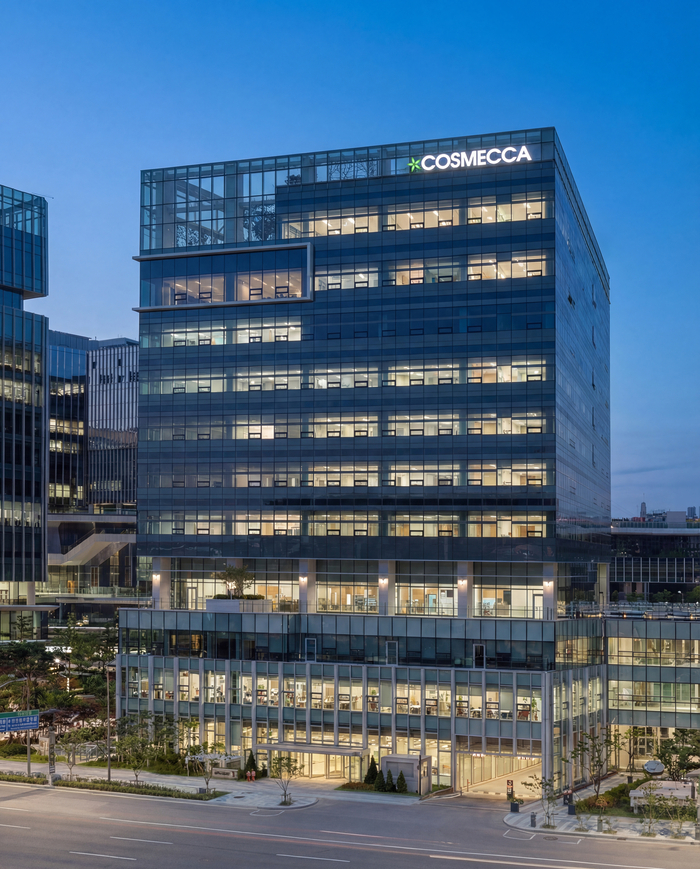
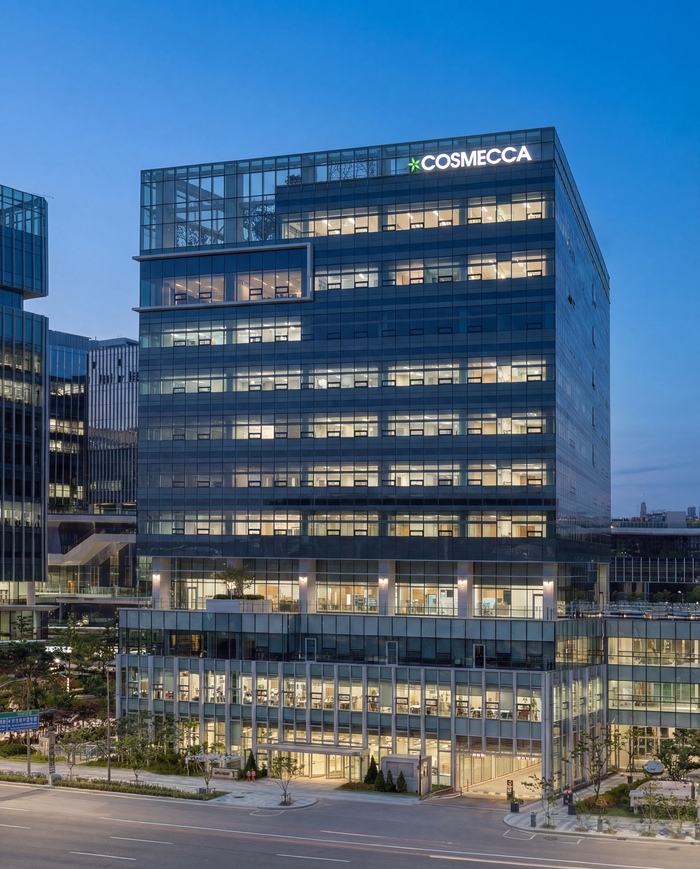
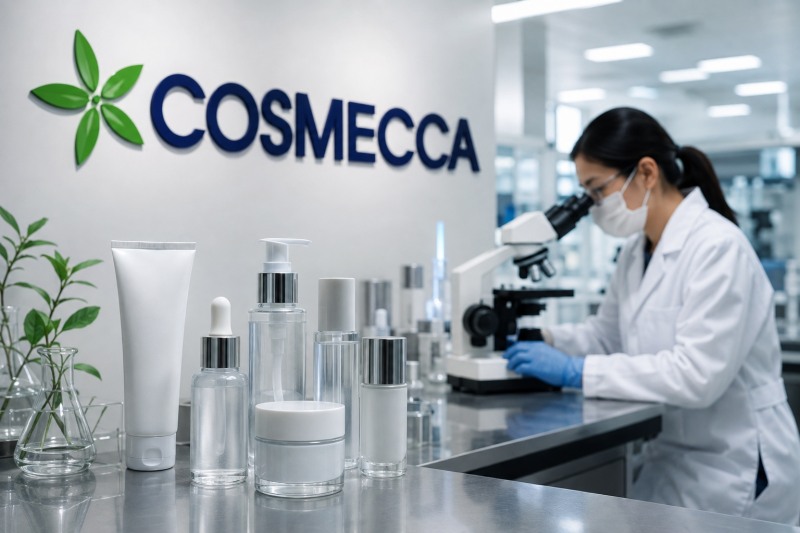
Even as Kolmar Korea and Cosmax post solid growth, Cosmecca Korea is mounting a fierce pursuit. The company posted consolidated revenue of KRW 226.1 billion, operating profit of KRW 32.1 billion, and net profit of KRW 20.3 billion in the second quarter of this year — up 39.8%, 39.3%, and 88.0% year-on-year, respectively, achieving both top-line growth and improved profitability at once.OGM represents an evolution from the traditional development-and-production-focused ODM model, integrating tailored support for target countries' regulations, distribution structures, and licensing standards from the planning stage onward. As the OGM strategy has gained traction, Cosmecca Korea's major domestic and overseas units have all begun to bear fruit.
The Korean subsidiary, which led the results, posted second-quarter revenue of KRW 178.8 billion, up 62.6% year-on-year, with operating profit rising 76.9% to KRW 24.5 billion. Growing orders for K-derma (functional cosmetics) skincare products tailored to specific skin concerns and efficacy needs were a key driver.
Englewood Lab, Cosmecca Korea's U.S. subsidiary, maintained a high operating margin of 16.8%, supported by its OTC (over-the-counter) sun care production infrastructure that meets U.S. Food and Drug Administration (FDA) standards. However, the unit appeared to be taking a breather this quarter, with revenue and operating profit falling 9.7% and 13.2% year-on-year to KRW 51.9 billion and KRW 8.7 billion, respectively. Over the same period, the China subsidiary (Cosmecca China) posted revenue of KRW 7.7 billion, down 9.7% year-on-year, and an operating loss of KRW 1.2 billion — though revenue rose 21.3% from the previous quarter, signaling a recovery.
Cosmecca Korea plans to solidify its future growth engines through the advancement of its OGM strategy and smart manufacturing innovation. To this end, the company is enhancing its smart manufacturing capabilities by incorporating artificial intelligence (AX·DX) across its production processes, based on its "K-Smart Lighthouse Factory" infrastructure.
The company plans to expand its use of AI — from predicting material defects and optimizing raw material blending to minimizing color-matching deviations and accelerating recipe development — to manage quality risk in real time and shorten new product development lead times.
A Cosmecca Korea representative said global client companies are showing growing interest in the company's R&D capabilities and formulation technology, adding that the company will continue strengthening its global competitiveness through technological innovation and category expansion.
Yang Hyunwoo (yhw@fntimes.com)